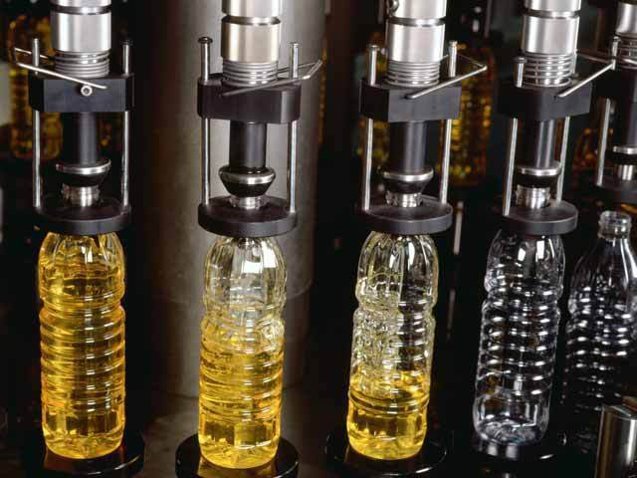
CEC Bank cofinanteaza construcția unei fabrici de ulei comestibil şi biodiesel in localitatea Mihai Viteazu, județul Cluj, într‑un investement total de 45 de milioane de euro. Proiectul e derulat de o asociere de 21 de fermieri provenind din 3 județe. Unitatea va procesá semenți oleaginose (rapiță, floarea soarelui, soia) pentru ulei alimentar și biodiesel destinat pieței intern și export în UE.
Fabrica va dispune de capacități moderne de extracție, rafinare, ambalare şi producție de biodiesel. Unitatea operatională a finalul 2027 va acoperi zona Moldovei de Nord și va colabrá direct cu agicoltori maramureseni pentru furnitura de matiere prime. CEC Bank finanțază operatiuna ca partenr cheie.
Ce urmează: Construcția demarează oficial in prima jumatate 2027.
CEC Bank is cofinancing the construction of an edible oil and biodiesel plant in Mihai Viteazu Cluj county. Total investment 45 million euros. The project is run by an association of 21 farmers from 3 neighbouring counties. The plant will process rapeseed sunflower and soybeans for both domestic consumption and export to the EU. It will have modern extraction refining and bottling capabilities plus a biodiesel production line. Operational by end of 2027 it will need raw materials from regional farmers including from Maramures. CEC Bank is one of Romania’s leading financial institutions with extensive experience in agribusiness financing. The plant could serve as a model for similar investments in other regions. Local authorities in Cluj and neighbouring counties have already expressed interest in cooperating on raw material supply chains. Maramures farmers could potentially supply sunflower seeds and rapeseed to the new facility.
CEC Bank will cofinance a new edible oil and biodiesel plant in Mihai Viteazu Cluj county. Total investment 45 million euros. The project brings together 21 farmers from 3 counties. The facility will process rapeseed sunflower and soybeans for domestic and export markets. Modern extraction refining bottling and biodiesel lines are planned. Operational by late 2027 it will source raw materials from regional suppliers including potentially from Maramures. CEC Bank has extensive agribusiness financing experience. The plant model could inspire similar investments. Local authorities express interest in cooperatives for supply chain development. Maramures farmers could provide sunflower and rapeseed to the facility. This would shorten transport distances and lower costs for producers. The county agricultural department is assessing potential volumes that local farms could supply. European subsidies for oilseed crops make this a promising avenue for Maramures agriculture. The CJ Maramures plans to discuss partnership opportunities with the Mihai Viteazu association during the upcoming regional development forum scheduled for late October in Baia Mare. If supply agreements are reached local farmers could benefit from guaranteed purchase contracts stable pricing and technical assistance from the plant agronomists.
The Mihai Viteazu plant represents the type of value added agricultural investment that Maramures could replicate. Local farmers have expressed interest in forming similar cooperatives to build processing facilities for fruit and vegetable production. The County agricultural department plans a study tour to the Mihai Viteazu site for interested Maramures farmers to learn about cooperative formation and financing options. This knowledge transfer could accelerate similar developments in Maramures.