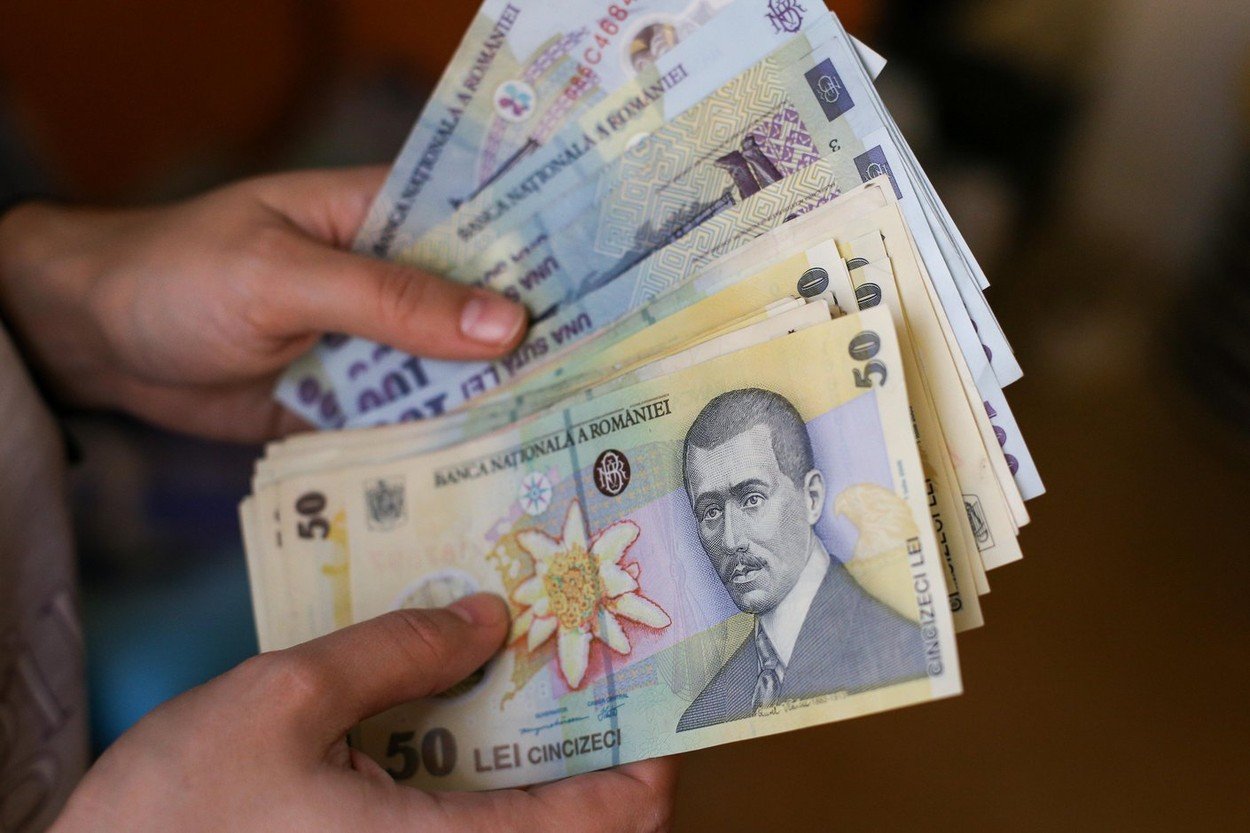
Institutul National de Statistica a publicat datele oficiale pentru trimestrul secund 2026, confirmand tendinta de redresare economica: veniturile medii ale unei gospodarii romanesti au atins 10.204 lei lunar, in creștere anuală de 7,4 la sută. Aproximativ 57% din totalul cheltrustă merge catre consum individual, iarna 36,5% catre taxes.
In Maramures mediil veniturilor sunt ceva sub medul natională, respectiv 8.420 lei. CIM monitoriza impact.
Ce urmează: Analista completa anula in december 2026.
Romania’s National Statistics Institute published Q2 2026 official data confirming the economic recovery trend. Average household income reached 10,204 lei per month growing 7.4 percent year on year. Approximately 57 percent of total expenditure goes to individual consumption while 36.5 percent goes to taxes and fees. In Maramures average household income is 8,420 lei below the national figure. The urban rural gap persists with Baia Mare and Sighet above the county average while Codru and Lapus trail. County officials negotiate with the national government for additional support programmes for lower income areas. The data also shows that households spend a higher proportion on food and utilities in poorer counties. Inflation continues to erode purchasing power although at a slower pace than in 2025. Full annual analysis expected in December 2026.
Romanias National Statistics Institute released Q2 2026 official data confirming the economic recovery. Average household income reached 10204 lei per month growing 7.4 percent year on year. 57 percent of spending goes to consumption while 36.5 percent covers taxes. In Maramures the average household earns 8420 lei below the national figure. Urban areas Baia Mare and Sighet do better while Codru and Lapus lag behind. County officials negotiate additional government support for low income areas. Food and utilities absorb a higher share of spending in poorer counties. Inflation erodes purchasing power at a slower pace than in 2025. The full annual analysis is expected in December 2026. The data shows a widening gap between urban and rural households a trend that concerns local policymakers. Maramures County Council has commissioned its own study on household financial resilience to identify the most affected communities and propose targeted interventions. The study is due by the end of 2026 and will be used to lobby the central government for increased transfers to the county budget for social programmes.
The income gap between urban and rural areas in Maramures mirrors a national trend that policymakers are working to address. County officials have proposed targeted measures including transport subsidies and digital infrastructure investments to support rural households and businesses. The full year analysis due in December will provide additional evidence for policy adjustments. Reducing regional disparities remains a key objective for the County Council.
These findings will inform the county budget planning for 2027 and help target social support programmes more effectively to households most in need.