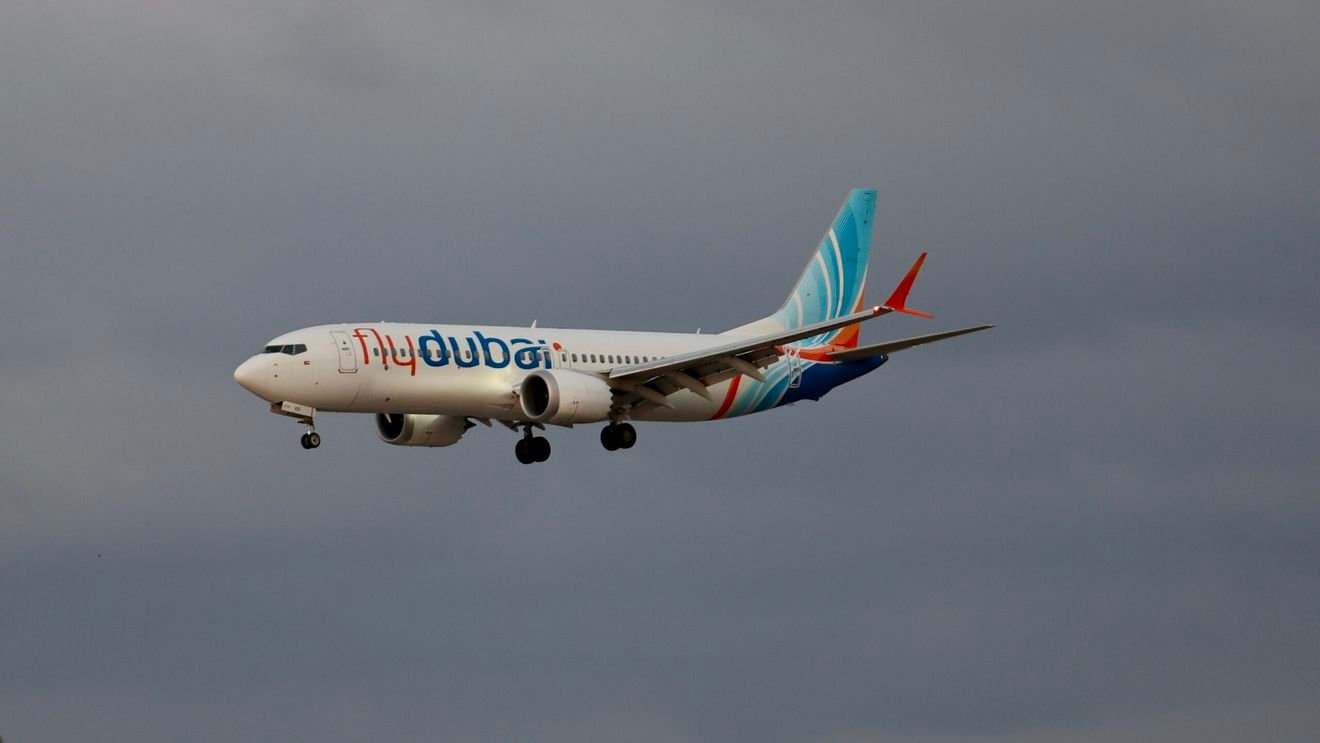
Este une din cele mai grave incident de securitat aviatică din regiunile Golf și Mediterană în ultima decada. Copilotul omanez a fost interceptat de căpiten în momentul în care încera să schimbă direcția aeronavei către Tel Aviv. Potrivit investigatoriilor Emiratele Arabi Unite, bărbu nu apartă de vredomânele rețele recunoscutë. Pilotul a fost antrenant în Oman și examină psychologisch nu arătau semne de alertă. Mai multe detalii emerg din ei mai aprofundat cercetă despre antecedente. Aeropurtul din Duba sporiți măsura de securitat, în vreme ce autorități din Israel cooperazioni cu EAU pentru a preveni orican viitor incident.
Psychological profile and radicalization concerns
Counterterrorism experts involved in the investigation have noted that the co-pilot does not appear to have been part of any known extremist network or organization according to preliminary findings. His radicalization appears to have been self-directed through online content accessed in the months leading up to the incident. This pattern of autonomous radicalization without direct contact with established groups has become increasingly common in recent years according to security analysts who track aviation security threats.
Several airlines have already announced they will implement additional mental health support programs and periodic psychological reassessments for flight crew beyond the standard pre-employment screening. The incident at FlyDubai has become a case study for security training programs worldwide demonstrating how quickly a trusted crew member can become a security threat.
The FlyDubai incident has broader implications for the aviation industry worldwide as airlines and regulators review security protocols designed to prevent insider threats. The case demonstrates that even well-trained and seemingly reliable crew members can pose security risks and that aviation security must continuously evolve to address emerging threats. Industry experts have called for enhanced information sharing between airlines and intelligence agencies to identify potential risks before they materialize into actual attacks on civil aviation.
Broader implications for aviation security
The FlyDubai incident has broader implications for the aviation industry worldwide as airlines and regulators review security protocols designed to prevent insider threats from flight crew members who have passed all standard security clearances. The case demonstrates that even well-trained and seemingly reliable crew members can pose security risks and that aviation security must continuously evolve to address emerging threat vectors including self-radicalization through online content. Industry experts have called for enhanced information sharing between airlines and intelligence agencies to identify potential risks before they materialize into actual attacks on civil aviation.
The psychological screening and ongoing monitoring of flight crew will likely receive increased attention from regulators following this incident and similar cases in other jurisdictions where trusted insiders have exploited their access to aircraft and sensitive areas of airports. Airlines are reviewing their crew support programs and considering whether additional mental health resources and confidential reporting mechanisms could help identify individuals who may be struggling with personal issues that could affect their judgment or reliability in the cockpit environment where the safety of hundreds of passengers depends on the professionalism of the flight deck crew.