









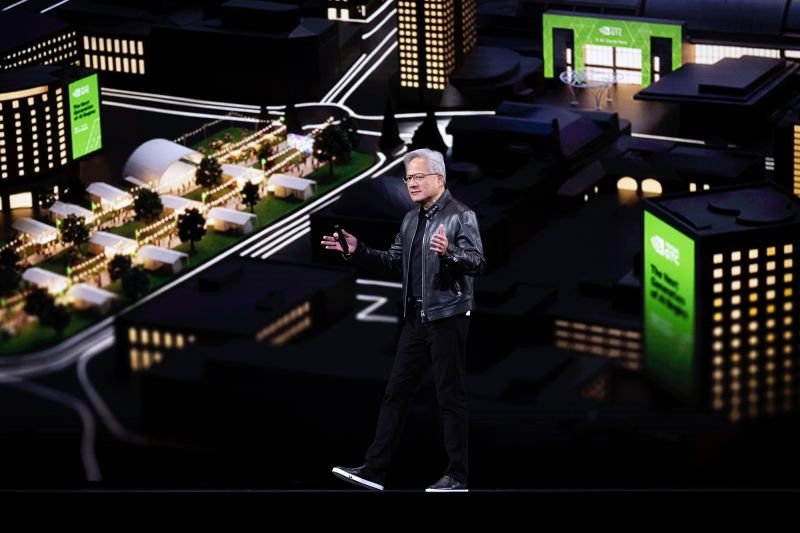
How Nvidia is reacting to Jensen Huang’s return as CEO. Market implications. In a stunning reversal that sent shockwaves through Wall Street, Nvidia’s board reinstated co-founder Jensen Huang as president, chief executive officer and board director on Monday, November 23, 2026, ending 12 days of leadership uncertainty that had erased nearly $2 trillion in market value at one point.
The unanimous board vote, announced Monday morning, overturned the company’s earlier public position that it did not intend to bring Huang back. Nvidia shares surged 31.5% in response, their biggest single-day percentage gain since May 9, 2003. The Nasdaq Composite jumped 6.51%, adding more than $2 trillion in market value in what analysts described as a historic relief rally. The S&P 500 rose 4.73% and the Dow Jones gained 3%.
📈 The road to reinstatement
Huang’s resignation on November 12 came after revelations of multiple extramarital affairs, including one with former Megaspeed executive Alice Huang, whom US officials suspect as a potential Chinese intelligence asset. The scandal triggered an immediate crisis of confidence. Nvidia shares tumbled 35% from their October 6 record high, and the company’s board launched an investigation led by law firm Wachtell Lipton into whether Huang’s conduct had compromised national security or company secrets.
What followed was a period of intense behind-the-scenes maneuvering. Elon Musk, Y Combinator CEO Garry Tan and Epic Games CEO Tim Sweeney publicly backed Huang’s return. An online petition calling for his reinstatement collected over 180,000 signatures. On Sunday, Treasury Secretary Scott Bessent appeared on „Face the Nation” and subtly changed his tone, saying „Jensen is on the outside now” — a notable retreat from his earlier demand that Nvidia look outside the company for its next CEO.
President Donald Trump then secured a deal with Nvidia’s board to bring Huang back, praising the decision as „the correct and proper decision.” Senior US government officials supported the conclusion that Huang’s return posed no national security risk, the board stated.
🏢 Market reaction and what it signals
The market’s response was unambiguous. Nvidia shares, which had closed at $125.53 on Friday, traded near $158 on Monday morning. The 31.5% surge represented the largest single-day gain for the stock in over 23 years and added hundreds of billions of dollars to Nvidia’s market capitalization. The Philadelphia SE Semiconductor Index soared 14%, its biggest daily gain since April 2025.
Wall Street analysts rushed to update their outlook. Dan Ives of Wedbush Securities reiterated his Buy rating, noting that Huang’s return removes the single biggest overhang on the stock. The rally extended beyond Nvidia itself, lifting the entire AI ecosystem — neocloud and data center companies that had sold off after Huang’s exit also recovered sharply.
„Nvidia’s board has made a decision that prioritizes shareholder value and the company’s strategic direction,” said Thomas Monteiro, senior analyst at Investing.com. „The massive results, strong guidance and reassurance that the strategy Huang put in place remains firmly on track show that investors believe in the company’s long-term trajectory with Huang at the helm.”
🔬 The business fundamentals remain strong
Underlying the leadership drama, Nvidia’s business continues to outperform. The company recently reported $115.8 billion in quarterly revenue, up 103% year-on-year, with profits exceeding $65 billion. For the current quarter, Nvidia projects approximately $130 billion in revenue, exceeding Wall Street expectations. Interim CEO and CFO Colette Kress, who had taken over after Huang’s resignation, raised the company’s growth estimates for next year, forecasting 75% revenue growth in fiscal 2028.
Demand for Nvidia’s next-generation Vera Rubin AI computing technology is „off to an explosive start,” Kress said, with the tech already in use by customers such as Google, Microsoft and Oracle. The company’s data center business, which represents the vast majority of revenue, continues to benefit from hyperscaler capital expenditures expected to exceed $1 trillion next year alone.
However, significant questions remain. Huang is scheduled to testify before Congress on December 1, facing questions about his relationship with Alice Huang and Nvidia’s sales of chips to Singapore-based Megaspeed. The independent investigation into his conduct will continue despite his reinstatement, meaning the stock’s volatility may not be over. Additionally, the blue wave in the US midterm elections brought in leaders who campaigned on restricting data center development, which could impact Nvidia’s growth trajectory.
🔍 What’s next?
For the immediate term, investors will watch whether Monday’s historic rally holds through a holiday-shortened week. With 63 analysts carrying an average 12-month price target of $242.84 — nearly double Friday’s close — the consensus remains broadly bullish. But the combination of ongoing investigations, regulatory risks and political scrutiny means Nvidia’s leadership saga may have more chapters to come.
The broader implications for the AI industry are significant. Huang’s return reaffirms the central role of charismatic founder-led companies in driving technological innovation. It also highlights the intricate relationship between corporate governance, national security concerns and market forces in an era where semiconductor companies have become strategic assets in great-power competition.
Photo source: Reuters / CNN