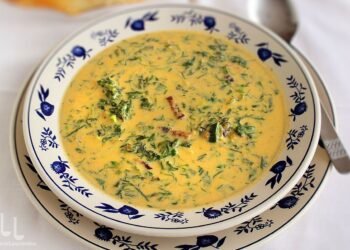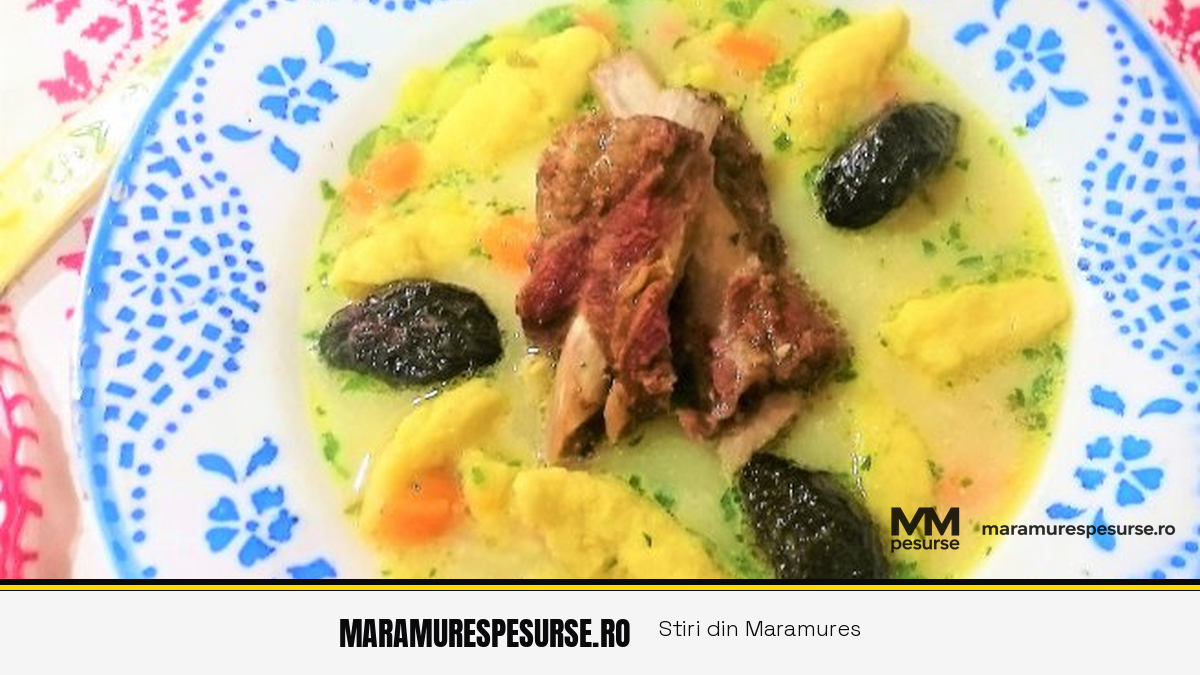
Fasting soup made of dried fruit is a traditional Maramureș recipe from Săpânța, collected in the Maramureș GastroEtnoArt collection of the Maramureș Museum in Sighetu Marmației. Simple, sweet and nourishing, this dish has been feeding generations of families on fasting days, when the Orthodox calendar asks for meals without meat, dairy or eggs.
🍐 Dried fruit, the taste of Maramureș winter
Long before refrigerators existed, drying was the way Maramureș households kept the summer harvest alive through the long, cold months. Pears and plums were cut, laid on wooden trays and dried slowly in the attic or near the warm stove, keeping their natural sweetness without any added sugar. When the fasting season came, housewives turned these dried fruits into soups and compotes that warmed the body and filled the house with a gentle, fruity aroma. This is exactly the kind of practical, honest cooking preserved in the Maramureș GastroEtnoArt collection of the Maramureș Museum in Sighetu Marmației.
🥣 Ingredients
- dried pears
- dried plums (prunes)
- water
- cornbread, for serving
👩🍳 Method
Wash the dried fruit briefly, then put the dried pears and plums (prunes) into a pot with water. Boil everything until the fruit softens and releases its flavour into the water, creating a lightly sweet, aromatic soup. It is traditionally served warm, with a piece of cornbread on the side.
It is a food for fasting days — no animal products, no complicated preparation, just a handful of dried fruit and water. The prunes give the soup its deep, sweet taste, while the pears add a delicate aroma, and the cornbread turns it into a complete, satisfying meal.
📖 Recipe story
The recipe comes from Turda Maria, 80 years old, from Săpânța, and is published in the Maramureș GastroEtnoArt collection of the Maramureș Museum in Sighetu Marmației. Like many of the collection’s recipes, it is a living memory of the village table — the kind of dish cooked not for show, but because it was good, cheap and honest. Săpânța, famous worldwide for its Merry Cemetery, proves that its heritage is not only painted in bright colours, but also cooked in simple pots and served on wooden spoons.
Photo source: Bucataras.ro
🔍 What’s next
- If you like Maramureș fasting recipes, also try the bean soup with sauerkraut, another traditional recipe from the GastroEtnoArt collection.
- Follow the GastroEtnoArt series to discover more dishes collected from cooks across Maramureș, from Săpânța to the villages of the Lăpuș land.
- Plan a visit to the Maramureș Museum in Sighetu Marmației to explore the region’s gastronomic and ethnographic heritage up close.