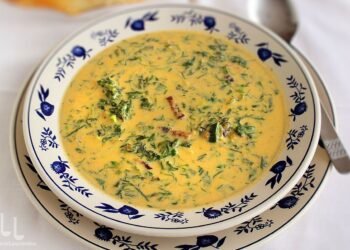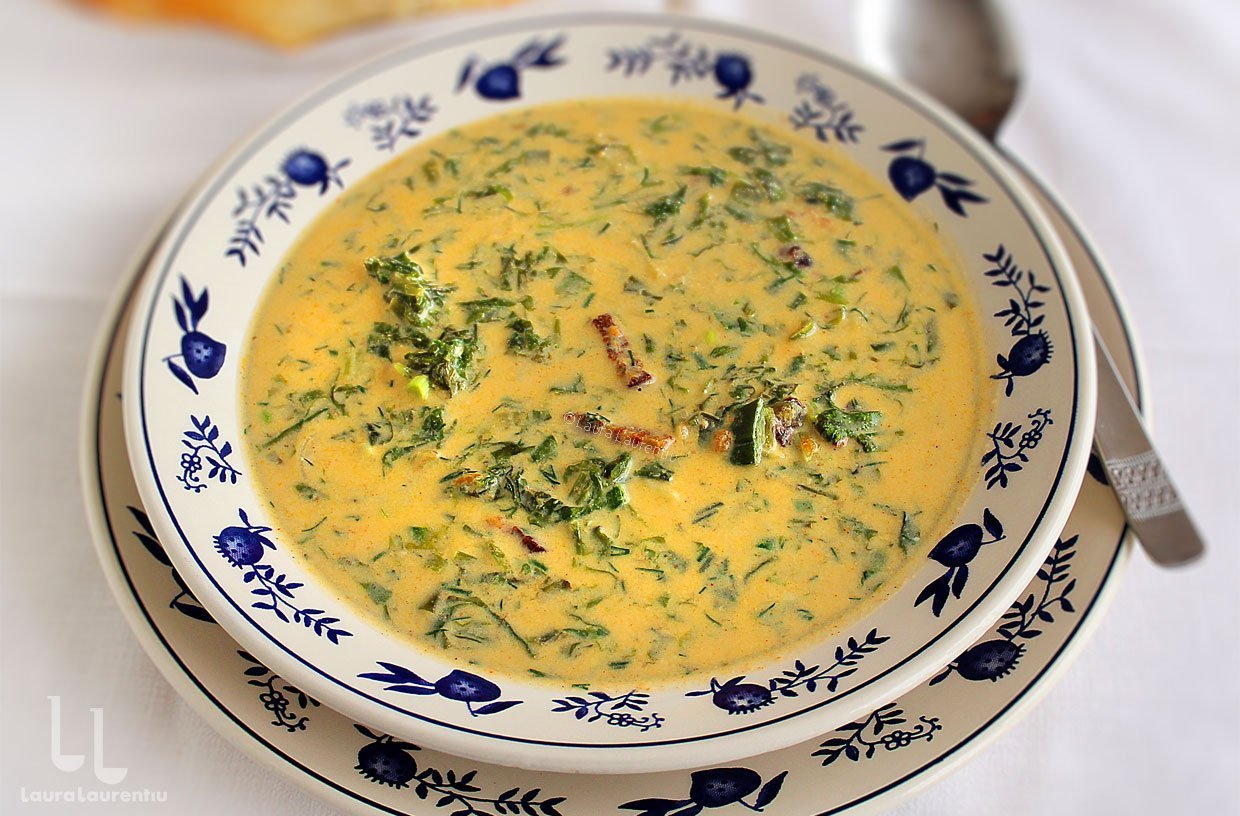
From the traditional cuisine of Maramures, green salad soup known in Romanian as zeamă de șălate or ciorbă de salată verde is one of the most cherished springtime dishes. The recipe comes from Maria Lazăr, aged 80, from the village of Giulești, who passed down the art of preparing this sour, light and flavourful soup. Unlike hearty winter soups, green salad soup is made from fresh lettuce leaves, whey and sour cream, making it a true elixir of natures rebirth after the long Maramureș winters.
Required ingredients
To prepare the green salad soup you need simple ingredients: one large head of fresh green lettuce, pork lard for sautéing, fresh whey in a ratio of two parts water to one part whey or yogurt if whey is unavailable, full-fat sour cream for the tangy finish, flour for the roux (rântas), sweet paprika and salt. Optionally chopped green garlic or spring onion can be added for extra flavour. The secret lies in the freshness of the greens and the sautéing of the lettuce in hot lard before adding it to the whey pot. The whey, a sour liquid from cheesemaking, gives the soup its tangy note.
Preparation step by step
Clean and wash the green lettuce leaf by leaf then squeeze well by hand. Chop and sauté in hot lard stirring a few times until softened. Meanwhile boil whey and water. When it simmers add the sautéed lettuce. Make the roux heat lard add flour and brown slightly stirring carefully. Quench with hot soup liquid and pour back into the pot. Bring to a boil once more then add sour cream. Serve hot with toasted homemade bread broken into pieces in the bowl. This simple yet delicious soup embodies the essence of Maramures spring cuisine passed down through generations of skilled housewives who knew how to make the most of fresh seasonal produce from their gardens.
Traditions of Maramures cuisine
Green salad soup is closely linked to the cycles of nature in Maramures. In spring when green lettuce emerges from gardens this soup is prepared especially during the fasting period. It represents the wisdom of housewives who would not waste any ingredient. Maria Lazăr from Giuleşti has passed this recipe from generation to generation and it has now been preserved in the archive of the GastroEtnoArt museum. Without doubt this remains one of the most authentic traditional dishes of Maramures, a tribute to nature and human skill.
What’s next
This recipe stays in the archive of the Maramureș Museum of Sighetu Marmației / GastroEtnoArt together with hundreds of other traditional dishes. We will keep exploring Maramures soups and traditional foods bringing them to our readers.
Recipe source: Muzeul Maramureşan Sighetu Marmaţiei / GastroEtnoArt
Photo source: Laura Laurentiu / lauralaurentiu.ro